Understanding THC Autoflowering Cannabis Seeds
THC autoflowering cannabis seeds have become increasingly popular among growers seeking a fast and straightforward cultivation experience. For both beginners and seasoned horticulturists, these seeds offer unique advantages, eliminating the complexity often associated with traditional cannabis cultivation. By bypassing the need for specific light cycles required for flowering stages, autoflower seeds ensure that plants begin their flowering phase automatically after a set period. This feature makes them an appealing option for various growing environments, including indoor and outdoor settings.
When exploring options, Autoflower Samen kaufen can provide comprehensive insights into the different strains available and their respective benefits.
What are Autoflowering Seeds?
Autoflowering seeds are specifically bred cannabis seeds that transition from the vegetative stage to the flowering stage automatically, regardless of light exposure. This genetic trait comes from the Cannabis ruderalis species, which evolved in environments with shorter growing seasons and unpredictable weather patterns. As a result, autoflowering strains are ideal for those looking for quick turnaround times in cultivation, with many varieties ready for harvest in as little as 8 to 12 weeks from germination.
Benefits of Choosing Autoflower Seeds
- Speed: Autoflowering cannabis plants reach maturity much faster than photoperiod strains, allowing for multiple harvests in a single growing season.
- Ease of Growth: These plants require less monitoring, making them suitable for beginners or those with limited gardening experience.
- Compact Size: Autoflowering strains tend to be smaller and more discreet, which is perfect for growers with limited space.
- Less Light Dependence: They flower without the need for a specific light schedule, which simplifies indoor and outdoor growing setups.
Common Misconceptions about Autoflowering Strains
Despite their growing popularity, autoflowering strains are often surrounded by misconceptions. A common myth is that they produce lower yields compared to feminized or photoperiod strains. While it is true that yields can be somewhat less, advancements in breeding techniques have resulted in many autoflowering strains achieving competitive yields. Additionally, there is a belief that autoflowering plants lack potency. However, many modern autoflower varieties boast impressive THC levels that can rival traditional strains.
Best Practices for Growing THC Autoflowering Seeds
To maximize the potential of your THC autoflowering seeds, understanding their specific growing needs is crucial. This section will cover soil and nutrient requirements, light and watering needs, and key tips for cultivating either indoors or outdoors.
Soil and Nutrient Requirements
Using the right soil mix is essential for the healthy growth of autoflowering cannabis plants. Ideally, growers should opt for a light, well-aerated soil that allows for proper drainage. A mixture of organic compost, perlite, and coco coir can provide an optimal environment for early growth. Nutrient-wise, autoflowering plants thrive on balanced feeds that cater to their rapid growth pace. During the vegetative stage, a nitrogen-rich fertilizer can promote healthy leaf production, while a shift to phosphorus and potassium-heavy nutrients during flowering will support bud formation.
Light and Watering Needs Explained
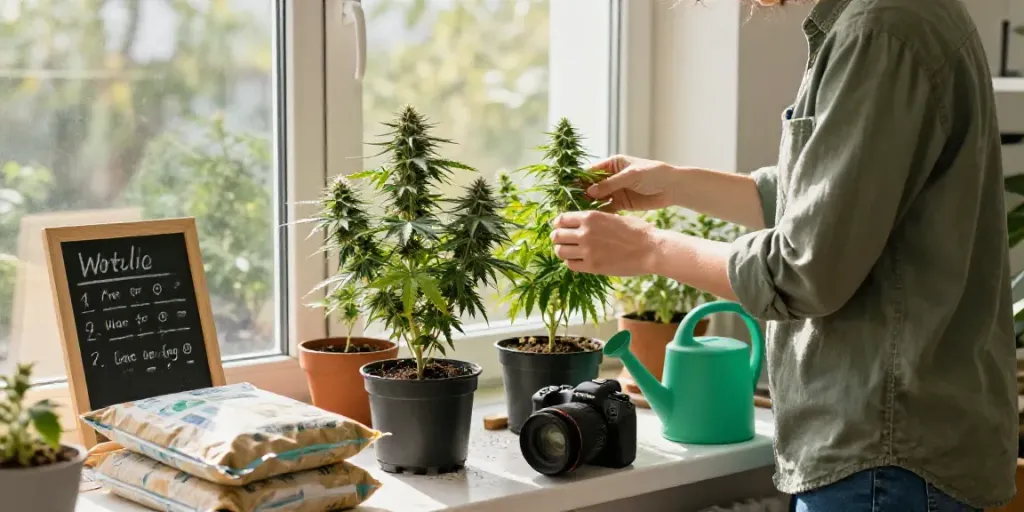
Autoflowering cannabis plants are resilient and can adapt to various lighting conditions. Indoor growers typically provide 18 to 24 hours of light during the entire growth cycle. This extended light schedule can help achieve faster growth and higher yields. When it comes to watering, it's important to avoid over-watering. Let the top inch of the soil dry out before rehydrating the plants. A good rule of thumb is to water less frequently but thoroughly, encouraging strong root development.
Key Tips for Outdoor vs. Indoor Cultivation
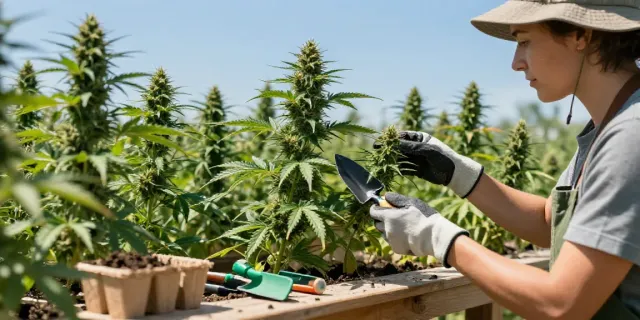
For outdoor growers, the key is to time your planting carefully to ensure optimal sunlight exposure throughout the growth cycle. Autoflowering strains can thrive outside from spring to early summer, allowing for multiple harvests within one season. On the other hand, indoor cultivators must focus on ensuring proper ventilation and maintaining consistent temperatures between 20 to 24 degrees Celsius for optimal growth.
Harvesting and Curing Autoflowering Cannabis
Harvesting your THC autoflowering cannabis plants at the right time is critical to achieving the best flavor and potency. Understanding the signs of ripeness and the proper drying and curing techniques can greatly enhance the final product.
Optimal Harvest Time and Signs of Ripeness
The best time to harvest autoflowering plants is when the trichomes turn from clear to a milky white color, indicating peak THC levels. Additionally, the pistils will change from white to a darker color, signaling that the flowers are mature. Growers should closely monitor these indicators to ensure the plants are harvested at their peak.
Techniques for Effective Drying and Curing
After harvesting, it’s essential to dry your cannabis flowers correctly. Hang branches upside down in a dark, well-ventilated area with a stable temperature and humidity level. Once the flowers are dry to the touch, they can be trimmed and placed in glass jars for the curing process. For optimal flavor and potency, cure the flowers for at least two weeks, opening the jars periodically to release excess moisture and allow fresh air to circulate.
Maintaining Quality during Storage
To maintain the quality of your cured cannabis, store it in a cool, dark place and keep it in airtight containers. Avoid exposure to light and air, which can degrade cannabinoids and terpenes over time. Proper storage can help preserve the potency and flavor of your cannabis for months.
Evaluating Your Growing Success
Assessing the results of your cultivation efforts is vital to understanding what strategies work best and how you can improve future yields. In this section, we’ll cover how to measure yield and quality, common pitfalls to avoid, and how to adjust your techniques based on outcomes.
Measuring Yield and Quality Metrics
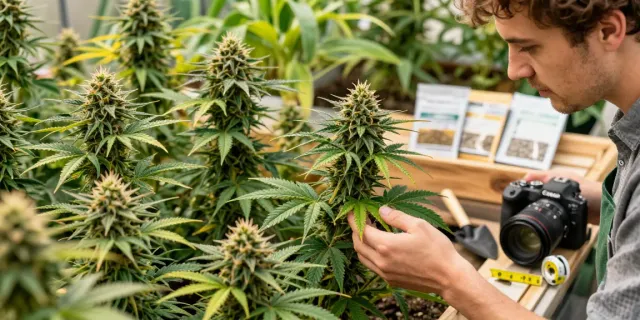
To evaluate your yield, weigh the harvested buds and consider the number of plants grown. A typical autoflowering plant may produce anywhere from 50 to 150 grams, depending on factors such as genetics, growing conditions, and care. Quality metrics should include assessing the aroma, flavor, and potency of your cannabis, often evaluated through lab testing for cannabinoid and terpene profiles.
Common Pitfalls and How to Avoid Them
First-time growers often face challenges such as over- or under-watering, pest infestations, and inadequate lighting. To avoid these issues, conduct thorough research and pay close attention to the specific needs of your autoflowering strains. Investing in high-quality seeds and maintaining a clean growing environment can prevent many common problems.
Adjusting Techniques Based on Results
After analyzing the results of your grow, make adjustments to your techniques as needed. If yields were lower than expected, consider experimenting with different nutrient regimens or light schedules. Keeping detailed records of your growing practices can help identify which methods yield the best results.
The Future of Autoflowering Cannabis Cultivation
As the world of cannabis cultivation continues to evolve, autoflowering strains are at the forefront of innovation. This section explores emerging trends in cannabis genetics, technological advancements in gardening, and market predictions for the future.
Emerging Trends in Cannabis Genetics
Breeders are increasingly focusing on developing new autoflowering strains that combine desirable traits such as higher yields, increased potency, and unique flavor profiles. One trend is the emergence of autoflowering hybrids that merge traits from both photoperiod and autoflowering varieties, allowing for more versatile growing options.
Technological Innovations in Indoor Gardening
Advancements in grow lights, automated watering systems, and smart sensors for monitoring environmental conditions are making it easier for growers to optimize their indoor cannabis cultivation. Technologies such as LED lighting have become more efficient, allowing for greater energy savings and improved plant health.
Market Predictions for 2026 and Beyond
The global cannabis market is expected to grow significantly in the coming years, with increased legalizations and broader acceptance. Autoflowering cannabis strains are likely to play a significant role in this expansion, as more individuals seek the convenience and speed they offer. As consumer preferences evolve, growers who adapt to market trends will be best positioned for success.
Where to Buy Quality Autoflowering Cannabis Seeds?
Finding reputable seed suppliers is paramount to ensuring the quality and genetics of your autoflowering strains. Opt for seed banks with a good reputation, positive customer feedback, and a diverse selection of strains. Many suppliers offer guarantees on seed viability and often have detailed descriptions of each strain’s growth characteristics.
How to Identify Trusted Seed Suppliers?
Look for online reviews and customer testimonials when evaluating seed suppliers. Reputable vendors will have comprehensive information about their strains, including genetic lineage, growth traits, and recommended growing conditions. Additionally, consider suppliers who provide lab-tested results to ensure accuracy in cannabinoid profile claims.
What to Look for in Quality Cannabis Genetics?
Quality genetics are essential for successful cultivation. Look for seeds that come from stable, well-known strains with a history of reliability. High germination rates, resistance to pests and diseases, and consistent flavor profiles are all signs of robust genetics. Research the breeder’s background and customer reviews to gauge their reputation.
Can Autoflowering Seeds Adapt to Various Climates?
Autoflowering seeds are generally more resilient and can adapt to a range of climates, making them suitable for outdoor growers in various regions. However, local climate conditions can affect yield and potency, so it's important to choose the right strain for your particular environment.
Why Are Autoflowering Strains Popular Among Growers?
The combination of ease of growth, quick turnaround times, and versatility makes autoflowering strains highly attractive to both novice and experienced growers. As cultivation methods and market demand continue to evolve, these seeds are likely to remain a staple in the cannabis growing community.