
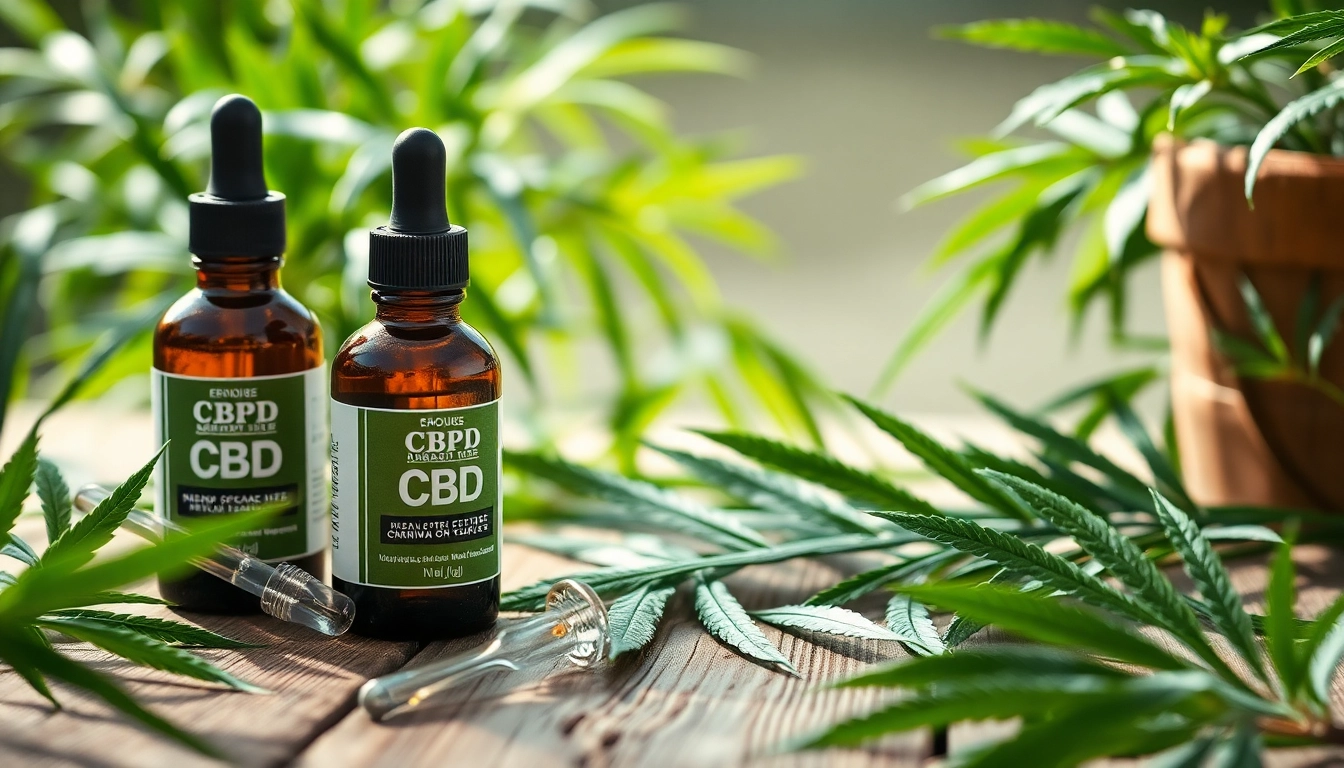
What is CBD?
Cannabidiol, commonly referred to as CBD, is a prominent compound found in the resinous flowers of the cannabis plant. Unlike its psychoactive counterpart THC (tetrahydrocannabinol), CBD is non-intoxicating, meaning it does not produce the "high" typically associated with cannabis. This distinct characteristic has spurred immense interest among consumers and researchers alike, as its therapeutic potential continues to surface in various studies.
The Science Behind CBD
The endocannabinoid system (ECS) is a complex network of receptors and neurotransmitters located throughout the body, playing a crucial role in maintaining homeostasis or balance. CBD interacts with this system primarily by binding to the CB1 and CB2 receptors. While these receptors are not directly activated by CBD as they are by THC, CBD influences the body’s natural endocannabinoids, enhancing their effectiveness.
Research suggests that CBD may benefit various physiological processes, including pain reduction, mood regulation, and immune function. The biochemical pathways it engages, including serotonin and vanilloid receptors, shed light on its potential to alleviate symptoms of anxiety, inflammation, and pain.
Types of CBD Products
CBD products come in diverse forms, catering to different preferences and usages:
- CBD Oil Tinctures: Extracted oils that can be ingested or applied sublingually for faster absorption.
- CBD Capsules: Pre-measured doses ideal for users seeking convenience without the taste of oil.
- CBD Edibles: Gummies and other food products infused with CBD, offering a palatable way to consume this compound.
- CBD Topicals: Creams and balms designed for localized application to relieve pain or inflammation.
- CBD Vapes: Inhalation methods using vaporized CBD for immediate effects.
Legal Status of CBD
The legal landscape surrounding CBD is complicated and varies significantly by region. In the United States, the 2018 Farm Bill legalized hemp derivatives, including hemp-derived CBD containing less than 0.3% THC, at the federal level. However, several states have their own regulations that may differ or impose stricter controls. Consumers interested in CBD should familiarize themselves with both federal and state laws to ensure compliance.
Health Benefits of CBD
The burgeoning research in CBD has unveiled a wide range of potential health benefits, making it an intriguing subject of study. Here are some of the most promising benefits reported in clinical trials and anecdotal evidence.
CBD and Anxiety Relief
Anxiety disorders are among the most common mental health conditions, traditionally treated with pharmaceutical interventions that may carry adverse effects. Research indicates that CBD may provide an alternative management strategy. Studies have shown that CBD can help reduce anxiety by influencing serotonin signaling within the brain, thus promoting relaxation. Furthermore, clinical trials have suggested positive outcomes in generalized anxiety disorder, panic disorder, and social anxiety disorder.
How CBD Affects Pain Management
Pain management is another area where CBD has shown promise. Its anti-inflammatory properties have led researchers to explore its effectiveness in conditions such as arthritis, multiple sclerosis, and chronic pain. In one study involving rheumatoid arthritis patients, those treated with CBD reported significant improvements in pain and sleep quality. The efficacy of CBD in pain relief is attributed to its interaction with the endocannabinoid system, which modulates pain perception and inflammatory responses.
Possible Benefits for Sleep Disorders
Sleep disorders, including insomnia and sleep apnea, can have severe impacts on overall health. Preliminary research indicates that CBD might aid in improving sleep quality by addressing underlying issues contributing to poor sleep, such as anxiety and pain. In a trial involving insomnia patients, CBD was found to increase total sleep time and decrease sleep disturbances, showcasing its potential as a natural alternative to traditional sleep medications.
Understanding CBD Usage
As interest in CBD grows, understanding its proper usage becomes essential for consumers looking to incorporate it into their health routines. Educating oneself on dosage, methods of consumption, and possible combinations with other treatments can enhance the overall experience and effectiveness of CBD.
Recommended Dosages of CBD
Determining the ideal dosage of CBD can be challenging due to varying individual factors such as body weight, metabolism, and the condition treated. Current recommendations suggest starting with a low dose, typically between 10 to 20 milligrams, and gradually increasing it until the desired effects are achieved. Consulting with a healthcare provider familiar with CBD can provide additional personalized guidance.
Methods of Consumption
The method of consumption can significantly influence the onset and duration of CBD's effects. Vaping or sublingual administration provides rapid relief, often within minutes, while oral consumption methods, like capsules or edibles, may take longer to take effect but can last several hours. Topicals, on the other hand, are suitable for localized treatment, delivering concentrated relief directly to affected areas.
Combining CBD with Other Treatments
CBD can be used alongside traditional treatments for various health conditions. However, it is crucial to consider possible interactions, particularly with medications that carry the grapefruit warning since CBD can affect metabolism. Always inform the prescribing healthcare professionals about CBD usage to ensure safe and effective treatment plans.
Potential Side Effects of CBD
While CBD is generally well-tolerated, it can still produce side effects in some individuals. Understanding these potential side effects can help users weigh the benefits against any risks.
Common Side Effects to Watch For
Possible side effects of CBD may include fatigue, dry mouth, changes in appetite, and diarrhea. Though the majority of people experience little to no adverse reactions, being aware of these common side effects is crucial to monitor how your body responds, especially when trying CBD for the first time.
Managing Adverse Reactions
If you do experience side effects, adjusting the dosage can often help mitigate them. Lowering the dose or switching to a different consumption method can also alleviate discomfort. Regular consultation with a healthcare provider can enable effective management of any adverse reactions, ensuring a safer CBD experience.
When to Consult a Healthcare Provider
It’s important to consult a healthcare provider if you experience persistent side effects, have concerns about CBD usage, or are considering it alongside other medications. Especially for individuals with underlying health conditions or pending surgeries, professional advice is crucial in establishing a safe and beneficial CBD regimen.
Future of CBD Research
The field of CBD research is rapidly evolving, with numerous studies underway to explore its full therapeutic potential. As more data emerges, the understanding of CBD’s benefits and limitations will continue to expand.
Current Studies on CBD Benefits
Ongoing research is delving into CBD’s role in treating various conditions, ranging from chronic pain and epilepsy to neurodegenerative diseases and skin disorders. As clinical trials progress, findings will further clarify CBD's efficacy and safety profile, thereby aiding consumer awareness and trust.
Regulatory Developments in the CBD Space
As the popularity of CBD grows, so do the regulatory measures. Various government bodies are examining the standards for quality control, labeling, and production practices, which will shape the future market landscape. Aligning with these regulations will help ensure consumer safety and product reliability.
Implications for Consumers and Industry
The increasing acceptance and understanding of CBD will likely lead to broader applications in health and wellness sectors. Consumers will benefit from enhanced access to safe products and clearer information, guiding informed decisions regarding CBD use. The industry, meanwhile, will continue adapting to evolving regulations and scientific discoveries, potentially unlocking new avenues for innovation and therapeutic solutions.