
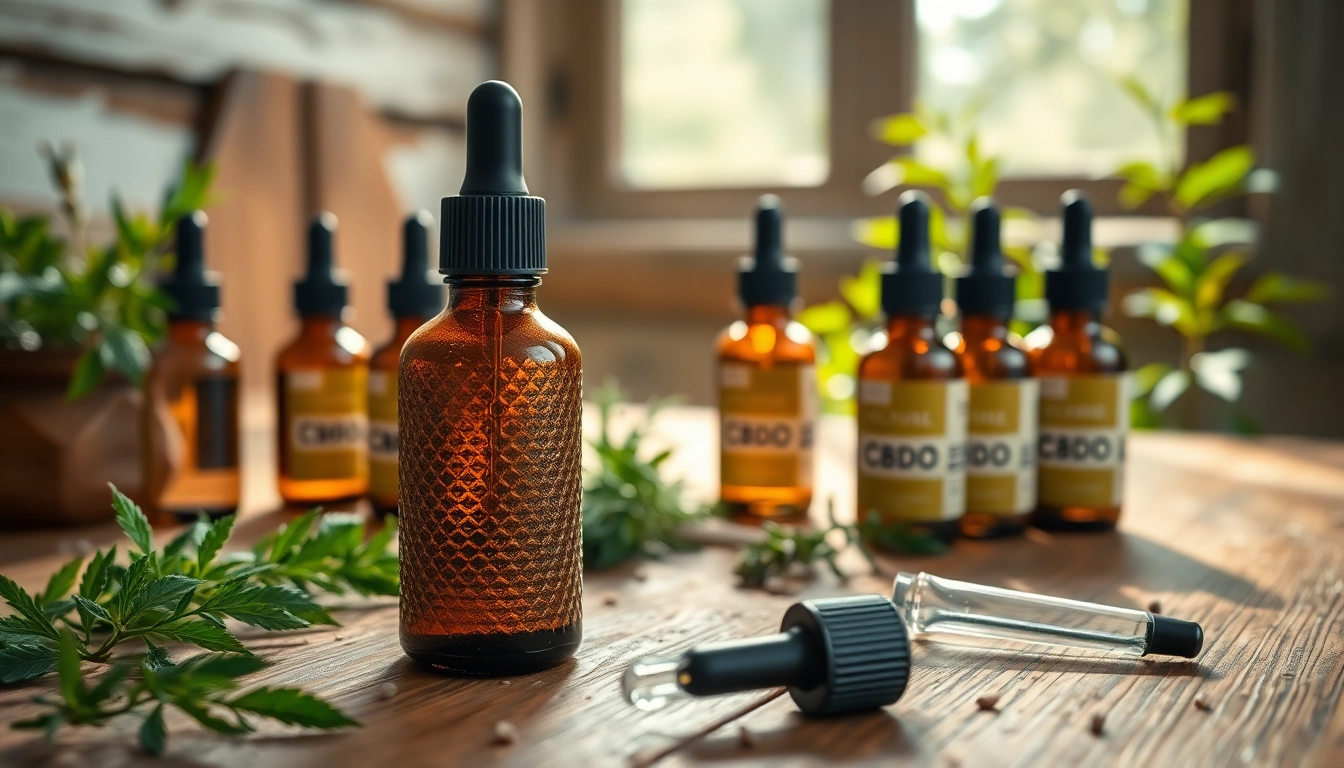
What is CBD Oil?
The Basics of CBD Oil and Its Source
CBD Oil, or cannabidiol oil, is derived from the cannabis plant and is one of over a hundred identified cannabinoids in the cannabis plant. Unlike its more famous counterpart, THC (tetrahydrocannabinol), CBD does not produce psychoactive effects, meaning it does not make users feel "high." This characteristic has contributed to the increasing popularity of CBD Oil as a natural remedy for a variety of health concerns.
CBD is predominantly extracted from hemp, a variety of the Cannabis sativa plant that has low THC levels. As legislation around cannabis has evolved, the acceptance and use of CBD Oil have grown significantly, with many consumers gravitating towards it for its potential therapeutic benefits.
How CBD Oil is Extracted
Extraction methods play a crucial role in determining the quality and efficacy of CBD Oil. The most common methods include:
- CO2 Extraction: This method uses carbon dioxide under high pressure and low temperatures to extract CBD. It is considered the gold standard, ensuring purity and potency without any harmful solvents.
- SOLVENT Extraction: Solvents such as ethanol or butane are used to dissolve the cannabinoids from the plant material. While effective, this method may leave behind residual solvents that can affect the overall quality.
- Oil Infusion: In this method, the hemp plant is infused in carrier oils like olive oil. Although this method is simpler and often seen in home extractions, it can result in lower concentrations of CBD.
Each extraction method has its pros and cons, and the choice of method can greatly influence the final product's effectiveness.
The Difference Between CBD Oil and Other Cannabinoids
While CBD is a significant player in the cannabinoid arena, it's essential to understand how it differs from other cannabinoids. For example:
- THC: Unlike CBD, THC is psychoactive and is known for its recreational and medicinal properties, often used for pain relief and appetite stimulation.
- CBG (Cannabigerol): Often referred to as the precursor to CBD and THC, CBG is still under research but is being studied for its potential anti-inflammatory and neuroprotective effects.
- CBN (Cannabinol): Known for its sedative properties, CBN is primarily formed as THC ages and breaks down.
Understanding these differences can help consumers make informed choices about which cannabinoid may best serve their needs or health conditions.
Benefits of CBD Oil
Potential Health Benefits of CBD Oil
The rising popularity of CBD Oil can be attributed to a wide array of potential health benefits, some of which are supported by scientific research. Common reported benefits include:
- Relief from Chronic Pain: Studies indicate that CBD may help reduce pain by impacting the endocannabinoid receptor activity, reducing inflammation.
- Reduction of Anxiety and Depression: The anti-anxiety effects of CBD Oil are well-documented, suggesting it may help alleviate symptoms in individuals with anxiety disorders.
- Support for Heart Health: Preliminary research has shown that CBD may lower high blood pressure and reduce oxidative stress.
Although these benefits show promise, it is essential to note that further research is needed to fully understand the extent of CBD's impact on health.
How CBD Oil May Aid in Pain Management
Chronic pain is a common ailment that affects millions. CBD Oil has emerged as a possible alternative treatment due to its potential analgesic properties. The endocannabinoid system (ECS) within our bodies is responsible for maintaining homeostasis; CBD interacts with this system to help modulate pain perception, inflammation, and overall discomfort.
Clinical trials have indicated that CBD may be effective for conditions such as arthritis, multiple sclerosis, and even cancer-related pain, providing a holistic approach to pain management without the side effects associated with traditional pharmaceuticals.
Using CBD Oil for Mental Health
The mental health sector is increasingly exploring the potential benefits of CBD Oil. Research suggests that CBD may serve as a therapeutic agent for those dealing with anxiety, PTSD, and depression.
For instance, a study published in the journal Neurotherapeutics found that CBD was effective in reducing anxiety in both human and animal studies. Its ability to act on receptors in the brain related to serotonin levels may provide a natural and less addictive alternative to conventional antidepressants.
As the understanding of CBD Oil's role in mental health continues to evolve, it is crucial for individuals to consult healthcare providers before making any changes to their treatment plans.
How to Choose Quality CBD Oil
Identifying High-Quality CBD Oil Products
Amidst the plethora of CBD Oil products available, ensuring quality can be daunting. Here are some tips to identify high-quality CBD Oil:
- Source of Hemp: Ensure that the hemp used is sourced from reputable farms, preferably organic, to ensure no pesticides or harmful chemicals are present.
- Extraction Method: As discussed, CO2 extraction is generally associated with higher quality than other methods. Always check the product specifications.
- THC Levels: Be sure that the product complies with legal standards, showcasing no more than 0.3% THC content for hemp-derived CBD.
Thoroughly researching and understanding these aspects can safeguard consumers against subpar products.
Understanding Lab Testing and Transparency
Lab testing is a critical aspect of quality assurance in the CBD industry. Reliable CBD companies will provide Certificates of Analysis (COAs) from independent labs. These documents confirm the cannabinoid profile, ensuring the product contains what it claims and is free from contaminants.
When evaluating a CBD Oil product, check for:
- Information regarding third-party lab testing.
- Transparency in testing results accessible on the company’s website.
- Integrity in formulations, free from artificial additives or harmful substances.
Consumers should feel empowered to ask questions and demand evidence of quality from manufacturers.
Choosing Between Full-Spectrum and Isolate CBD Oil
When selecting CBD Oil, consumers face the choice between full-spectrum and isolate formulations. Understanding these differences is pivotal:
- Full-Spectrum CBD: This type contains all cannabinoids, including trace amounts of THC (below 0.3%), as well as terpenes and flavonoids. This combination improves the entourage effect, where the compounds work synergistically together.
- Isolate CBD: This is the pure form of CBD, devoid of other cannabinoids. It’s suitable for individuals who may want to avoid THC altogether or are subject to drug testing.
Your choice should align with health goals, personal preferences, and any existing legal considerations related to THC.
Dosage and Administration of CBD Oil
Recommended Dosage Guidelines for CBD Oil
Determining the right dosage of CBD Oil can be complex, as individual requirements may vary based on factors like body weight, metabolism, and the condition being treated. However, general guidelines include:
- Start with a low dose, such as 5-10 mg per day.
- Gradually increase the dosage in small increments until the desired effect is reached.
- Consult with a healthcare provider for personalized recommendations.
A methodical approach to dosage can enhance the effectiveness of CBD while minimizing potential side effects.
Methods of Using CBD Oil Effectively
CBD Oil can be administered through various methods, each offering different onset times and effects:
- Oral Consumption: Swallowing CBD Oil—either in capsule form or through tinctures—can provide sustained benefits over time, ideal for chronic conditions.
- Topical Application: CBD-infused creams and balms can be applied directly to the skin, targeting localized pain or inflammation.
- Vaping: Inhaling vaporized CBD can produce rapid relief, suitable for immediate use during high-stress situations.
The choice of method depends on personal preference and the intended use of CBD Oil.
Safety Considerations When Using CBD Oil
While CBD Oil is generally well-tolerated, understanding potential side effects and interactions is crucial. These may include:
- Drowsiness or fatigue.
- Changes in appetite or weight.
- Interactions with certain medications, including blood thinners and anti-seizure drugs.
To ensure safety, consult with a healthcare provider to evaluate your health condition and any medications before incorporating CBD Oil into your routine.
Legal Status and Future of CBD Oil
Understanding CBD Oil Legislation in Different States
The legal landscape surrounding CBD Oil can vary significantly by state and is often subject to change. Currently, hemp-derived CBD Oil is federally legal in the U.S. under the 2018 Farm Bill, provided it contains less than 0.3% THC.
However, some states have specific restrictions or additional regulations regarding its sale. It is essential for consumers to familiarize themselves with local laws to avoid potential legal issues while using or purchasing CBD products.
The Future of CBD Oil in Healthcare and Wellness
The future of CBD Oil in healthcare looks promising as research continues to unveil its potential benefits. As public interest grows, more clinical trials are likely to emerge, allowing for a deeper understanding of its effects.
Healthcare professionals are increasingly considering CBD as a complementary treatment option for various conditions, from pain management to mental health applications. As such, the integration of CBD into mainstream medicine appears inevitable, pending further validation from scientific research.
Challenges Facing the CBD Industry
While the CBD industry shows great promise, it faces several challenges:
- Lack of Standardization: Variability in product quality and effectiveness can erode consumer trust.
- Regulatory Hurdles: Ongoing debates about the legal status of CBD can create market instability.
- Stigmas and Misinformation: Ongoing misconceptions about cannabis-related products make education and awareness vital.
Addressing these challenges through education, regulation, and research is critical for the continuation of growth and acceptance of CBD Oil products in various sectors.