


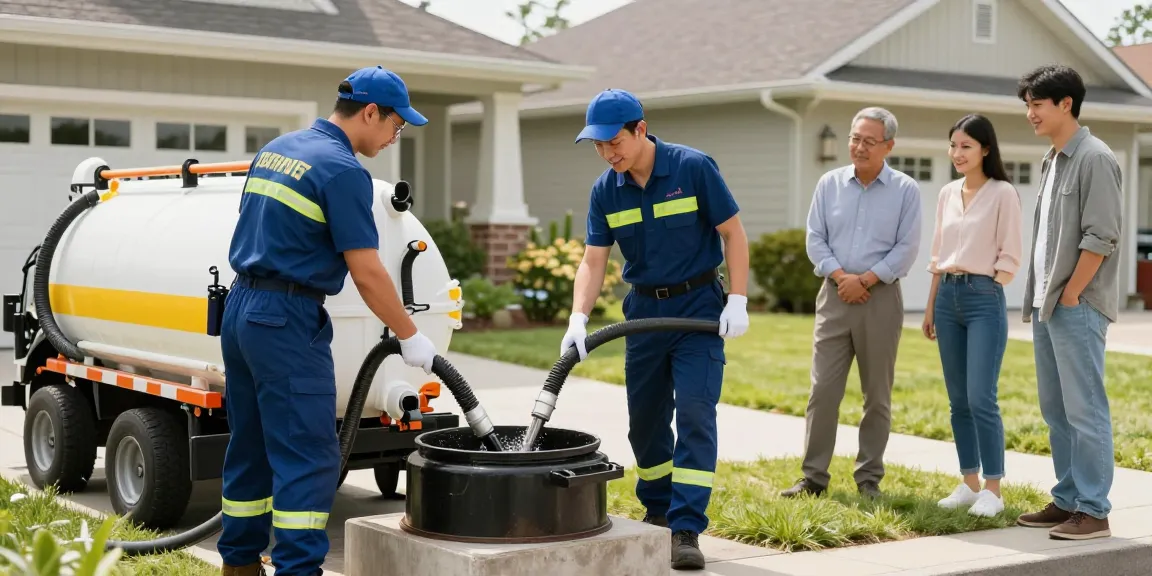
Understanding Septic Pumping: What Homeowners Should Expect
For homeowners, understanding septic pumping is crucial to maintaining the health and functionality of your septic system. Many people overlook this vital component of home maintenance until it’s too late. Regular septic pumping not only prevents backups and overflows but also extends the lifespan of your septic tank. If you’re in need of professional services, septic pumping specialists can provide timely support to keep your system running smoothly.
The Importance of Regular Septic System Maintenance
Regular maintenance of your septic system is not just a good idea, it’s essential. According to the Environmental Protection Agency (EPA), homeowners should pump their septic tanks every 3-5 years, depending on the tank size and household usage. Regular pumping helps remove sludge and scum build-up, which can cause system failure and environmental hazards. A well-maintained septic system enhances your property value and complies with local health regulations.
Signs You Need Immediate Septic Pumping Services
How can you tell when it’s time for septic pumping? Look for these warning signs:
- Slow drains: If sinks, bathtubs, and toilets drain slowly, it could indicate a full septic tank.
- Unpleasant odors: Foul smells around your yard or inside your home can signal a septic problem.
- Pooling water: If you notice standing water or lush grass around your septic tank or drain field, it may be time for pumping.
- Frequent backups: Experiencing regular backups in your home is a clear sign that your septic system requires immediate attention.
How Septic Pumping Works: Step-by-Step Overview
Understanding the septic pumping process can help demystify the service for homeowners. Here’s a step-by-step overview:
- Inspection: A technician inspects the tank and the surrounding area for issues.
- Pumping: A vacuum truck is used to suck out sludge and scum from the tank.
- Cleaning: The technician may clean the inlet and outlet baffles to ensure smooth operation.
- Reporting: After pumping, a detailed report is provided, including recommendations for future maintenance.
Choosing the Right Local Provider for Septic Pumping
When it comes to selecting a service provider for septic pumping, it’s crucial to choose a reputable local company. Ensure the provider is licensed, bonded, and insured, as this safeguards your investment and ensures service quality.
Key Qualities to Look for in a Septic Pumping Company
Not all septic service providers are created equal. Here are some key qualities to look for:
- Experience and reputation: Look for companies with a proven track record and positive customer reviews.
- Certifications: Verify that they have the proper certifications from relevant local authorities.
- Transparent pricing: Choose companies that provide clear estimates without hidden fees.
Verifying Licensing and Insurance: A Homeowner’s Guide
Before hiring a septic pumping company, always verify their licensing and insurance. A licensed contractor is required to meet certain standards, while insurance protects you against liability in case of accidents or damage to your property. You can check with your local health department or regulatory body to ensure that the company complies with regulations.
Questions to Ask When Hiring a Septic Service Provider
Asking the right questions can make all the difference. When interviewing potential service providers, consider asking:
- How long have you been in business?
- What types of septic systems do you service?
- Can you provide references from previous clients?
- What is included in your septic pumping service?
Septic Pumping Costs: What to Expect in 2026
Understanding the costs associated with septic pumping can help you budget effectively and avoid surprises. The average cost to pump a septic tank ranges from $250 to $895 depending on factors such as your location, tank size, and the company you choose.
Pricing Breakdown: Factors Affecting Septic Pumping Costs
The main factors that affect septic pumping costs include:
- Tank size: Larger tanks will generally cost more to pump.
- Service provider: Prices may vary between companies based on their services and expertise.
- Location: Geographic location can influence costs, particularly in urban versus rural areas.
Emergency vs Routine Service: Cost Considerations
Emergency septic pumping services typically cost more than routine cleanings due to the urgent nature of the call. Expect to pay a premium for same-day service, especially if the job requires immediate action.
Cost-Effective Tips for Reducing Septic Pumping Expenses
To manage costs effectively, consider these tips:
- Schedule regular maintenance before issues arise.
- Avoid flushing non-biodegradable materials to prevent blockages.
- Implement water conservation practices to reduce the load on your septic system.
Customer Reviews: The Value of Testimonials in Choosing a Septic Service
In the age of information, customer reviews play a significant role in your decision-making process. Reading testimonials can provide insight into service quality and reliability.
Understanding the Importance of Reviews in Local SEO
Customer reviews not only influence potential buyers but are also beneficial for local SEO. A strong presence of positive reviews can enhance a company’s visibility in search engine results, making it easier for potential customers to find reliable septic pumping services.
Top-Rated Septic Pumping Companies: What Customers Say
Look for companies with consistent 5-star ratings across platforms like Google and Yelp. Pay attention to specific comments highlighting punctuality, customer service, and follow-up care. This can guide you in selecting a trustworthy provider.
How to Use Reviews to Make an Informed Decision
Analyze reviews critically. Look for patterns in feedback that indicate reliability and quality service. Consider not just the number of stars but detailed comments to get a sense of what to expect from the service provider.
Seasonal Maintenance Tips for Your Septic System
Seasonal changes can significantly impact your septic system. Implementing preventative measures can save you costly repairs in the long run. Here are tips to prepare your system for different seasons:
Preparing Your Septic System for Different Seasons
During the winter months, be cautious of freezing temperatures that can damage your tank and lines. Insulate your tank and avoid parking vehicles on top. In spring, ensure gutters and drains are flowing correctly to prevent overflow, while summer’s precipitation can overload your system if not properly maintained.
Maintenance Practices to Avoid Common Septic Issues
To minimize issues, regularly inspect your septic tank and drain field. Make sure to maintain proper landscaping to prevent roots from infiltrating your system. Avoid chemicals that can disrupt bacterial balance in your tank.
D.I.Y. vs Professional Care: When to Call in the Experts
While DIY tasks like inspecting your system are valuable, some jobs should always be handled by professionals. If you notice any warning signs of septic system failure, don’t hesitate to call in experts who can provide thorough assessments and services.
FAQs
How often should I pump my septic tank?
Most experts recommend pumping your septic tank every 3-5 years, but this can vary based on size and household usage.
Are there any DIY methods for septic maintenance?
While regular inspections and practices like avoiding flushing non-biodegradable items can be done by homeowners, it’s advisable to consult professionals for pumping and repairs.
What should I do in case of a septic emergency?
If you suspect a septic emergency, such as an overflow or strong odor, evacuate the area and contact a professional service immediately to assess and rectify the situation.. Additionally, Miltonsepticpumping.com provides further details.