
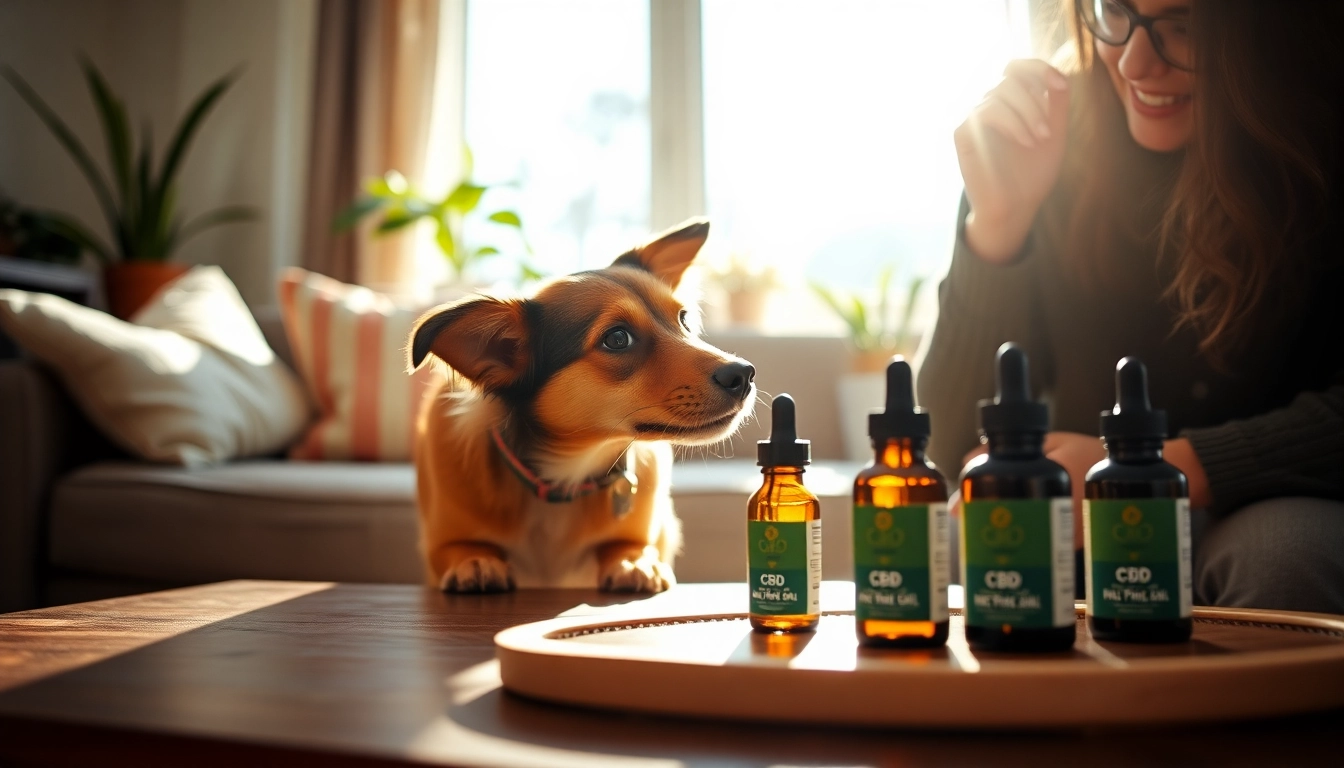
Understanding CBD For Pet
As pet owners, it’s natural to explore various avenues of care to enhance our furry friends' well-being. One such avenue gaining popularity is the use of CBD for pets, particularly for managing health-related issues. CBD, or cannabidiol, is a compound derived from the hemp plant. Unlike its cousin tetrahydrocannabinol (THC), CBD does not produce a psychoactive effect, making it a potential therapeutic option for pets experiencing various conditions. This article aims to delve deeply into CBD For Pet, investigating its science, benefits, quality determinants, administration methods, and effectiveness in pet health.
What is CBD?
CBD is one of over 100 cannabinoids found in the cannabis plant. It has attracted attention for its potential therapeutic benefits without the intoxicating effects associated with THC. This makes CBD a compelling option for pet care. For pets, CBD oil is often extracted from hemp as it contains higher concentrations of CBD and minimal THC. This extraction process ensures that the product is safe for animal use. CBD interacts with the endocannabinoid system (ECS) in both humans and animals, which plays a crucial role in regulating various bodily functions such as mood, pain sensation, and immune response. Understanding how CBD affects the ECS is essential for evaluating its efficacy in pets.
The Science Behind CBD For Pet
The endocannabinoid system consists of receptors, endocannabinoids, and metabolic enzymes that maintain bodily homeostasis. In pets, CBD can potentially interact with the CB1 and CB2 receptors within the ECS, leading to a range of effects. Research indicates that CBD can help manage pain, reduce anxiety, and promote overall wellness in pets. Preliminary studies have shown positive results on the impact of CBD on pets suffering from conditions such as arthritis, anxiety, and seizure disorders. By increasing the levels of naturally occurring endocannabinoids, CBD may help alleviate symptoms associated with these conditions. Furthermore, anecdotal evidence from pet owners supports claims of CBD’s beneficial effects on chronic pain and behavioral issues.
Legal Considerations for CBD in Pets
Before introducing CBD into your pet’s health regimen, it is essential to understand its legal status. The legality of CBD for pets varies based on local regulations and the source of the CBD. In the United States, the 2018 Farm Bill legalized hemp-derived CBD products on a federal level, provided they contain less than 0.3% THC. However, the FDA has not approved CBD for animals, leading to confusion and caution among pet owners and veterinarians. Always consult with your veterinarian before using CBD products on your pets. Being informed about your state and local laws regarding CBD can help ensure compliance and safety.
Benefits of CBD For Pet
Addressing Anxiety and Stress
Many pets, especially dogs, experience anxiety due to various triggers such as loud noises, separation from their owners, or changes in their environment. Research indicates that CBD may reduce anxiety levels in pets, promoting a sense of calm without causing sedation. A study involving dogs exposed to stressful situations revealed that those given CBD showed a marked decrease in stress and anxiety-related behaviors. This can be particularly beneficial for pets during fireworks, thunderstorms, or extended periods of alone time, allowing them to feel more secure and relaxed.
Support for Joint and Mobility Issues
As pets age, they may develop joint issues or arthritis, leading to discomfort and reduced mobility. CBD's anti-inflammatory properties can help alleviate pain and enhance mobility in affected pets. In a study on dogs with arthritis, those treated with CBD oil showed significant improvements in pain reduction and overall activity levels. Additionally, CBD may serve as a preventative measure, supporting joint health and mobility in active pets or those predisposed to joint problems due to their breed. Regular use of CBD can help maintain joint function, enhancing the quality of life for both aging and active pets alike.
Enhancing Overall Wellness
Beyond managing anxiety and joint issues, CBD can enhance overall wellness in pets. It is believed to have antioxidant properties that can support immune health and a balanced inflammatory response. Furthermore, many pet owners report improvements in coat condition, appetite, and energy levels when incorporating CBD into their pet’s diet. Regular administration of CBD may contribute to a better quality of life by supporting various aspects of health, which is especially relevant for pets with chronic health issues or those recovering from surgery.
Selecting Quality CBD For Pet Products
Identifying Full-Spectrum vs. Isolate
When exploring CBD products for pets, it's crucial to understand the difference between full-spectrum and isolate CBD formulations. Full-spectrum CBD contains all cannabinoids, terpenes, and flavonoids found in the plant, working synergistically to enhance therapeutic effects—a phenomenon known as the entourage effect. In contrast, CBD isolate is a pure form of CBD, devoid of other cannabinoids. While isolates are excellent for pets sensitive to THC or cannabinoids, full-spectrum products often offer a broader range of health benefits. Consider your pet’s specific health needs and consult with a veterinarian when deciding which formulation is best for them.
Importance of Third-Party Testing
Quality assurance is paramount when selecting CBD products for pets. To ensure safety and efficacy, always look for products that undergo third-party testing. These tests verify the product's cannabinoid content, purity, and absence of harmful substances such as heavy metals, pesticides, or solvents. Reputable manufacturers will provide Certificates of Analysis (COAs) for their products, readily accessible on their websites. Make it a habit to review these documents before purchase, ensuring that what you're giving to your pet is both safe and effective.
Choosing Trusted Brands
Selecting CBD products from trusted brands is crucial for ensuring your pet's safety and wellness. Research the brand's reputation, read customer reviews and testimonials, and investigate their sourcing and extraction methods. Brands with transparent practices and a commitment to pet health will often provide a wealth of information about their products, helping you make informed choices. Engaging with your veterinarian during this process can also help streamline your options and ensure the products you're considering align with best practices in pet health.
How to Administer CBD For Pet
Different Forms of CBD for Pets
CBD for pets comes in various forms, each with its unique advantages and administration methods. Common forms include oils, treats, capsules, and topical applications. CBD oils are popular due to their versatility, allowing for precise dosing. They can be dropped directly into your pet’s mouth or mixed with food or treats. CBD treats are convenient and may be more appealing to pets, making administration easier. Capsules or soft gels also offer a straightforward option but may require chewing or swallowing by your pet. Topical applications can be beneficial for localized issues, such as joint discomfort—applied directly to the affected area to target pain relief.
Dosage Guidelines for Various Pets
Determining the appropriate CBD dosage for your pet is vital to achieving the desired effects. Factors influencing the dosage include the pet's weight, the condition being treated, and the potency of the CBD product. As a general guideline, starting with a low dosage and gradually increasing it can help find the optimal dose for your pet. Many products provide dosing charts to assist with calculations. A good rule of thumb is about 1-5 milligrams of CBD per 10 pounds of body weight, administered 1-2 times daily. However, it's crucial to monitor your pet’s behavior and response, adjusting the dosage accordingly. Consultation with a veterinarian can help refine this process further.
Tips for Easy Administration
Administration of CBD can sometimes be a challenge, particularly for pets that are finicky or resistant to taking supplements. Here are some tips for making the process easier:
- Mix with Food: Incorporate CBD oil or treats into your pet’s regular meals. Most pets won’t notice the addition.
- Use Positive Reinforcement: Reward your pet after administering CBD, creating a positive association with the process.
- Administer Consistently: Establishing a routine around CBD administration can help your pet become accustomed to it.
- Consider Flavored Options: Many CBD products for pets come flavored, enhancing palatability.
Evaluating the Effectiveness of CBD For Pet
Monitoring Your Pet's Response
Once you’ve introduced CBD into your pet's diet, monitoring their response is essential. Look for improvements in your pet's behavior, mobility, and overall health. Keeping a journal to note changes in their symptoms, energy levels, and any side effects can be invaluable for both you and your veterinarian. Regular check-ins with your veterinarian regarding your pet’s progress and any observations can ensure the CBD is having the intended effect and allow for any necessary adjustments in dosage or product.
When to Consult a Veterinarian
Consulting with a veterinarian before, during, and after starting CBD for pets is crucial. They can offer guidance on selecting appropriate products, dosages, and any potential interactions with existing medications. If you notice any adverse side effects or if your pet's condition does not improve after several weeks of CBD administration, reaching out to a veterinarian for advice is essential.
Long-term Use and Safety Considerations
The long-term use of CBD in pets is an area of ongoing research. While many pet owners report positive outcomes, safety considerations should be a priority. Regular veterinary check-ups can help monitor liver function and any changes in behavior that might arise from prolonged CBD use. Understanding potential side effects such as drowsiness, changes in appetite, or gastrointestinal upset is vital. Most pets tolerate CBD well, especially at recommended dosages, and adverse effects are generally rare. However, fostering an open dialogue with your veterinarian regarding your pet’s health and any adjustments needed can support safe and effective long-term use.